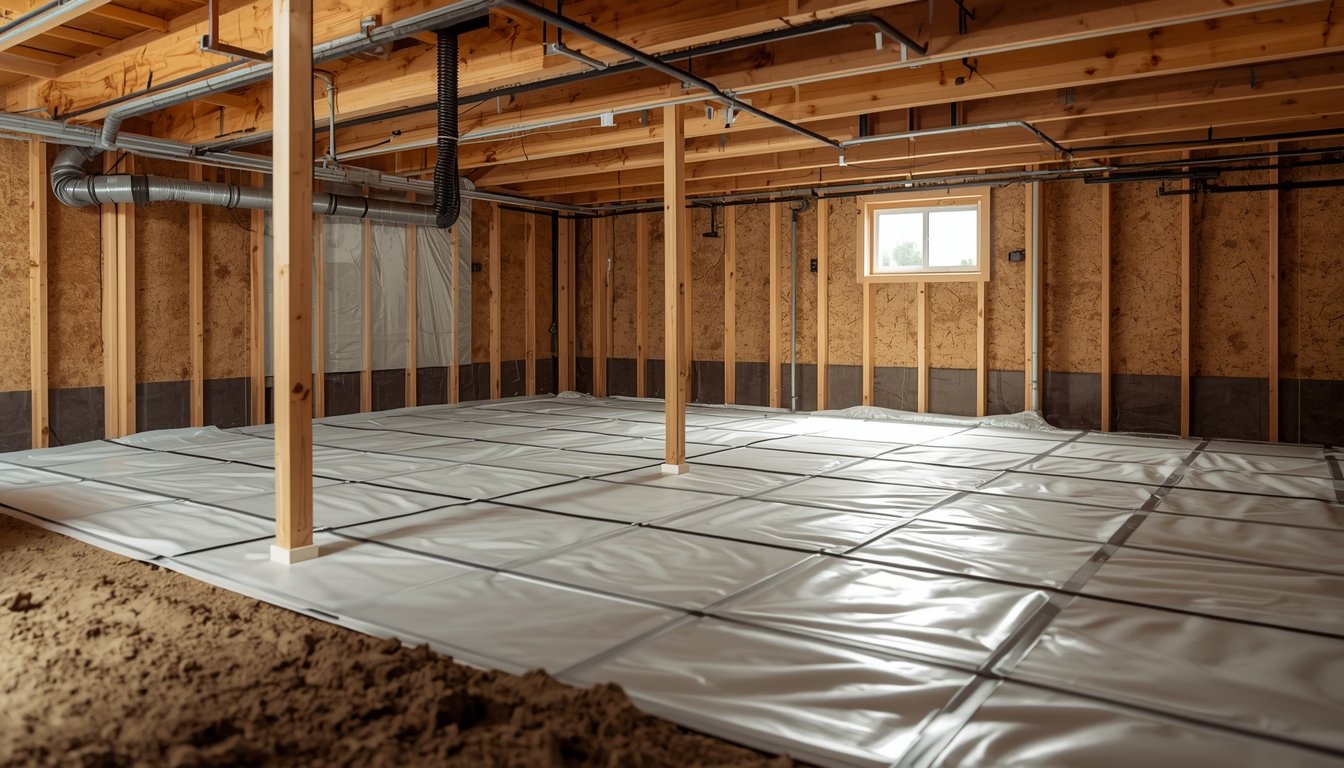
Moisture under a house is a common issue that many homeowners overlook until it begins to cause noticeable problems. In most homes, the crawl space or subfloor area is out of sight, which makes it easy for moisture to build up without immediate detection.
A common issue is assuming that moisture only becomes a concern when there is visible water. Many people find that even small amounts of ongoing dampness can lead to long-term effects, including structural damage, mould growth, and changes in indoor air quality.
This guide explains how under house moisture develops, how to identify it, and the most effective ways to control it over time.
Guide to This Site
This site covers all aspects of under house moisture control. You can explore specific topics in more detail using the guides below:
What Causes Moisture Under a House?
Signs of Moisture Under Your House
How to Check for Moisture Under Your House
How to Reduce Moisture Under Your House
Do Crawl Space Vents Actually Work?
Should You Seal or Vent Your Crawl Space?
What Is a Vapor Barrier and Do You Need One?
How to Install a Vapor Barrier Under Your House
Can Plastic Sheeting Stop Moisture Problems?
How to Improve Drainage Around Your Home
Can Gutters Affect Under House Moisture?
How Ground Water Causes Moisture Problems
Does Under House Moisture Cause Mould?
How Moisture Damages Floor Joists and Subfloors
Can Moisture Under Your House Affect Indoor Air Quality?
How to Fix Moisture Problems Under Your House
When to Call a Professional for Moisture Issues
The Most Effective Long-Term Moisture Control Solutions
What Causes Moisture Under a House
Moisture under a house typically comes from a combination of sources rather than a single issue. In many homes, the ground beneath the structure naturally contains water, which slowly evaporates into the crawl space.
This process occurs even when the soil appears dry on the surface. A common issue is underestimating how much moisture can rise from the ground over time. Many people find that this constant evaporation contributes significantly to humidity levels under the house.
External factors also play a role. Rainwater that is not properly directed away from the foundation can saturate the surrounding soil. In most homes, poor drainage or ineffective gutters increase the amount of water entering the ground near the house.
Airflow is another contributing factor. Ventilation systems that bring in humid air can raise moisture levels instead of reducing them. This is especially common in environments where outside air contains a high level of humidity.
How to Identify Moisture Problems Early
Identifying moisture under your house early can prevent more serious issues from developing. In many homes, the first signs are subtle and may not immediately indicate a problem.
A common issue is a musty smell, which often suggests damp conditions beneath the house. Many people notice changes in air quality or increased humidity indoors before discovering the source.
Visual inspection can reveal additional signs. These may include condensation on pipes, darkened timber, or areas where materials appear damp. In some cases, mould or mildew may begin to form on surfaces.
Checking the crawl space periodically helps detect these signs early. In most homes, regular inspection is one of the simplest ways to prevent moisture problems from becoming more severe.
Why Moisture Control Is Important
Moisture control is essential for maintaining both the structure of your home and the quality of the indoor environment. In many homes, prolonged exposure to damp conditions can weaken timber and lead to gradual structural damage.
A common issue is the effect of moisture on floor joists and subfloors. Many people find that these components can deteriorate over time if moisture levels remain high.
Moisture also creates conditions that support mould growth. In most homes, mould develops in damp environments and can spread if the underlying moisture is not addressed.
In addition to structural concerns, moisture can affect indoor air quality. Air from the crawl space can move upward into the home, carrying humidity and airborne particles with it.
Methods for Controlling Moisture Under a House
Effective moisture control involves addressing both the source of moisture and the conditions that allow it to build. In most homes, this requires a combination of approaches rather than a single solution.
One of the most important steps is reducing ground moisture. Installing a vapor barrier helps prevent moisture from evaporating into the crawl space. Many people find that this significantly lowers humidity levels.
Improving drainage is another key factor. Ensuring that water flows away from the foundation reduces soil saturation and limits the amount of moisture entering the crawl space.
Managing airflow and humidity is also important. In some cases, ventilation may help improve conditions, while in others, sealing the crawl space and using a dehumidifier provides more consistent results.
Ventilation vs Sealing
Choosing between ventilation and sealing depends on the specific conditions of your home. In many cases, traditional ventilation relies on outside air to reduce moisture levels.
A common issue is that this approach does not always work in humid environments. Many people find that introducing humid air can increase moisture rather than reduce it.
Sealing the crawl space creates a controlled environment where humidity can be managed more effectively. In most homes, this approach provides more consistent results, especially when combined with a vapor barrier and dehumidification.
Long-Term Moisture Control Strategy
Long-term moisture control requires ongoing attention rather than a one-time fix. In many homes, this involves monitoring conditions and maintaining the systems used to control moisture.
A common issue is assuming that once a problem is addressed, it will not return. Many people find that environmental conditions can change, affecting moisture levels over time.
Regular inspection and maintenance help ensure that moisture remains under control. In most cases, a combination of drainage management, ground moisture control, and humidity regulation provides the most reliable results.
When to Take Further Action
In some situations, moisture problems may persist despite initial efforts to control them. This typically happens when multiple factors are contributing to the issue.
A common issue is ongoing dampness or recurring mould growth. Many people find that these conditions indicate a more complex problem that requires additional investigation.
Taking further action may involve reassessing drainage, improving moisture barriers, or adjusting humidity control methods. In some cases, professional assessment may be necessary to identify hidden issues.
Bringing It All Together
Moisture under a house is a manageable issue when the right approach is taken. In most homes, understanding the sources of moisture and applying a combination of solutions leads to effective control.
A common issue is addressing symptoms without considering the broader system. Many people find that a structured approach—focusing on both prevention and ongoing management—provides the best results.
By controlling moisture at its source, managing environmental conditions, and maintaining your systems over time, you can create a dry and stable environment under your house.