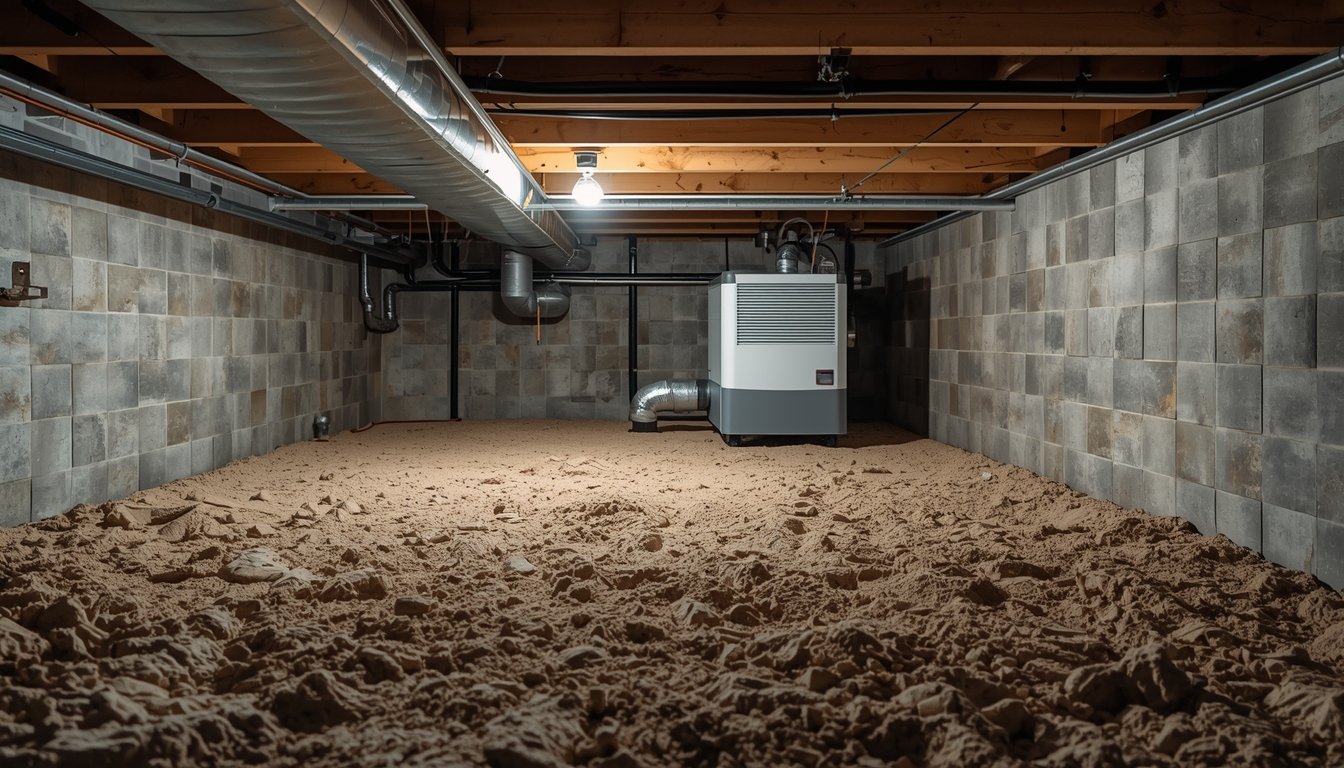
How to Improve Ventilation Under Your House is a topic many homeowners only start thinking about once damp smells, humidity, or floor changes appear inside the home. In most homes, the area below the floor is hidden from daily view, which allows moisture conditions to build quietly over time.
A common issue is assuming the problem must have one simple cause, but cross-flow, clear vents, and airflow paths often work together. That is why ventilation improvement makes more sense when you look at the crawl space as a small environment with its own temperature, airflow, and moisture behaviour.
Why This Topic Matters
How to Improve Ventilation Under Your House matters because the crawl space is closely connected to the rest of the home. Once dampness becomes established below the floor, it can affect timber, insulation, indoor comfort, and the reliability of any later fix. Many people find that once they understand the pattern of moisture below the house, decisions about drainage, ventilation, dehumidification, and barriers become much easier to make.
Another common issue is waiting for obvious damage before taking action. In reality, crawl space moisture usually becomes serious through persistence rather than drama. Slightly damp conditions that continue week after week often create more long-term stress than one short-lived wet event that dries quickly.
Common Factors to Check
- How cross-flow is influencing conditions below the house
- Whether the crawl space dries quickly after wet or humid weather
- How air moves through the space and whether some areas stay stagnant
- Whether timber, insulation, or services show repeated signs of dampness
- How moisture below the floor may already be affecting comfort upstairs
These checks are useful because they shift the focus from isolated symptoms to patterns. In most homes, the pattern is what reveals whether the issue is minor, seasonal, or part of a deeper moisture-control problem that needs a more complete response.
How the Crawl Space Environment Shapes the Problem
Crawl spaces are unusually good at holding onto dampness. They are shaded, cooler than outside air at many times of year, and often receive limited direct drying. When water enters through soil, drainage, humidity, or leaks, it can remain trapped long enough to change the whole environment below the house.
That is why ventilation improvement should not be judged by one inspection alone. Many people find that the crawl space looks manageable on a dry day yet becomes noticeably different after rain, during humid weather, or when outside temperatures shift and condensation starts forming on cooler surfaces.
For a broader overview of how under house moisture develops and which control methods usually work best together, start with The Complete Guide to Under House Moisture Control.
What Homeowners Commonly Misjudge
A common mistake is treating the crawl space as if it behaves like a room inside the home. It does not. Conditions below the floor usually change more slowly, dry more slowly, and react more strongly to soil moisture and surrounding drainage. That difference is exactly why a hidden moisture issue can last longer than expected.
Many people also misjudge ventilation improvement by focusing only on visible water. Sustained humidity, recurring condensation, and repeated dampness in materials can be just as important. In most homes, the absence of a puddle does not mean the absence of a real moisture problem.
Signs the Issue Deserves Closer Attention
- Musty or stale smells keep returning
- Condensation or dampness appears repeatedly rather than once
- Humidity seems to rise after wet weather or seasonal changes
- Materials below the floor feel cooler, darker, softer, or less stable
- Basic improvements help only temporarily and the same issue comes back
In most homes, these clues suggest that the problem has moved beyond a one-off inconvenience. They often mean the crawl space is receiving moisture faster than it can dry, which usually calls for source control, humidity control, or both.
How to Think About the Next Step
The best next step usually depends on what this article is helping you decide. If the goal is diagnosis, the priority is confirming the main moisture source. If the goal is selecting equipment or strategy, the priority is understanding whether the crawl space needs better airflow, better drainage, lower ground moisture, more active humidity control, or a more controlled sealed environment.
That process works best when it follows a simple order: reduce water around the home, reduce evaporation from the soil, choose the right airflow approach for the climate, and then review whether the crawl space is actually becoming drier and more stable. In practice, the sequence matters because it prevents one fix from being overwhelmed by a bigger moisture input that was never addressed.
How This Fits Into a Broader Moisture Strategy
How to Improve Ventilation Under Your House is only one part of a larger moisture-control plan. Most successful crawl space improvements happen when homeowners connect external water management, ground moisture control, airflow decisions, and humidity control instead of treating each one as a separate problem.
Once those pieces start working together, the crawl space usually becomes easier to read and easier to maintain. That is when homeowners often notice the biggest benefits: less musty air, fewer recurring damp signs, better protection for structural timber, and a more comfortable feel inside the home.
Final Thoughts
How to Improve Ventilation Under Your House becomes much easier to manage once you stop looking for one dramatic answer and start looking for the pattern of moisture entering, staying, and affecting the crawl space. In most homes, that pattern tells you far more than any single symptom.
The goal is not perfection. The goal is a crawl space that stays dry enough, stable enough, and easy enough to maintain that it no longer creates recurring concerns for the home above it.